
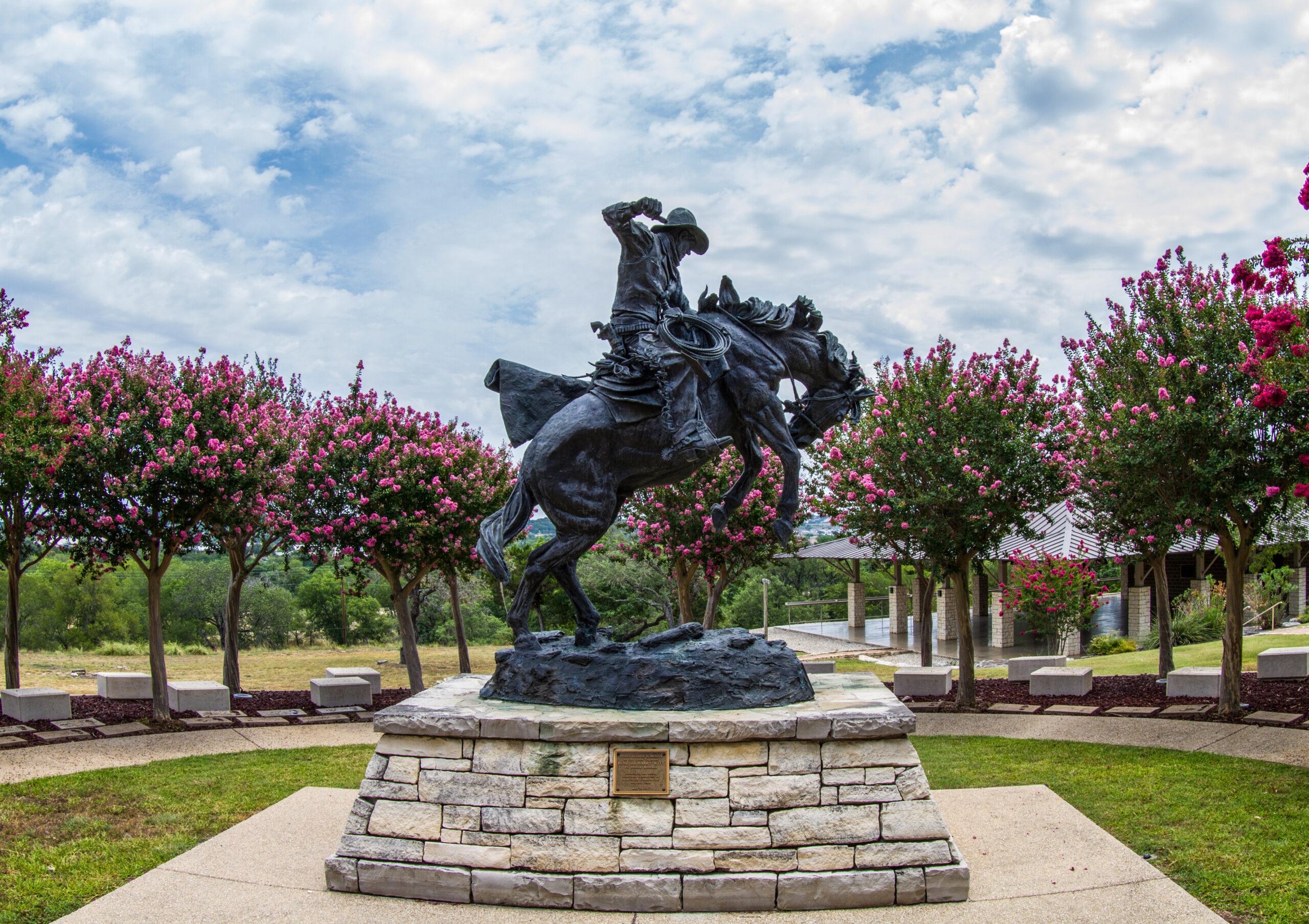
Museum of Western Art maintains legacy of the iconic west
By Ken Esten Cooke
Lovers of Western art can get their fix in the galleries of the Texas Hill Country. But the Museum of Western Art in Kerrville is in the upper echelon of Western art facilities in the nation.
Last year, True West magazine ranked the Museum of Western Art as the No. 2 Museum of the West. The honor cements the museum as a place that keeps western culture and art alive for so many who have a connection to it.
Opened in 1983, The Museum of Western Art is dedicated to the preservation of the American West through exhibitions of the top Western artists. Its goal is to authentically represent life in both historic and contemporary contexts.
Last year’s exhibits included the epic western art of Scott Christensen as well as the contemporary abstract work of Vietnamese-American artist Quong Ho.
Upcoming artist exhibits will include stunning photos by Rachel Spencer in “Wildlife Icons of the American West” and works from Walt Gonske’s “The Church Series” exhibit. Spencer’s art runs July 19-August 30, while Gonske’s show, featuring sacred sites, will be September 6-November 8.
Later this year, New American West works by painter Kathleen Frank, who captures the American Southwest, and bronze sculptor Mark Yale Harris will run November 15-January 10, 2026.
Executive Director Dr. Darrel Beauchamp looked forward to an exciting lineup through 2025. “There will be new artists coming that are renowned in the Western art genre but are new to our museum,” Beauchamp said. “This gives western art fans who have visited in the past another reason to return and see new art.”
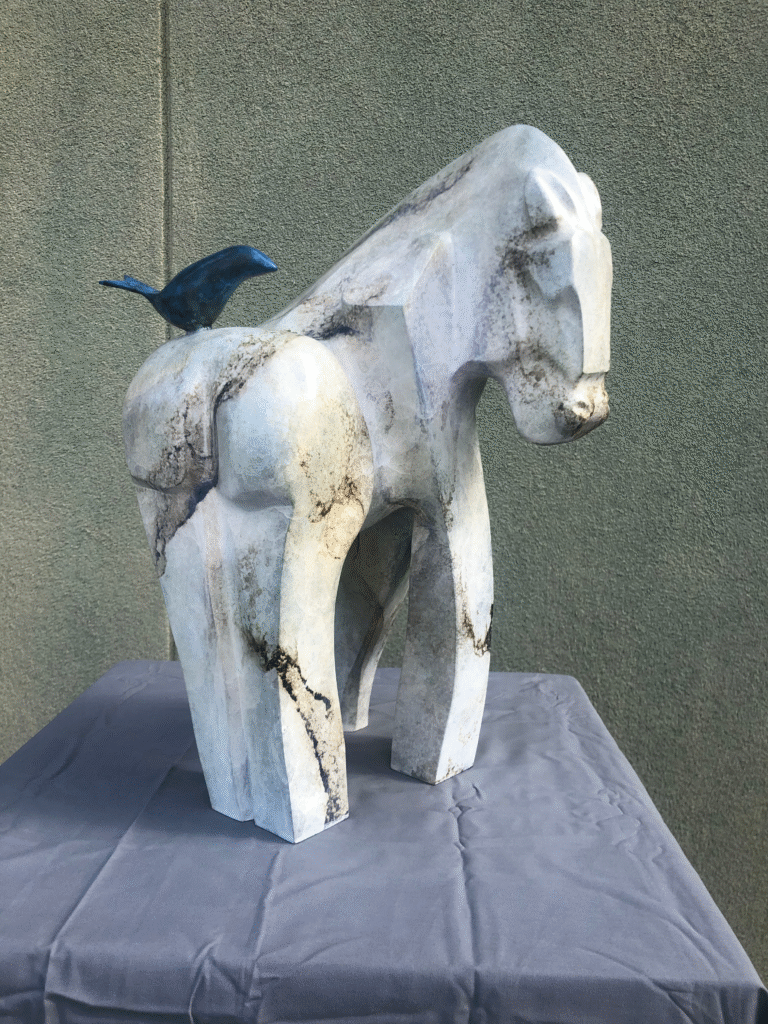
The museum in Kerrville provides the opportunity for one and all to relive Western heritage through great art.
The museum opened in 1983, first known as the Cowboy Artists of America Museum.
In the years since, more than 1.6 million visitors have walked the galleries and have seen the West brought to life through the artwork on view. The subjects are cowboys, Native Americans, women of the West, settlers, mountain men and others. Other exhibitions feature the ranching heritage and other aspects of western lore and life.
Educators, students, writers, and the public make use of the museum’s Griff Carnes Research Center, the 6,000-volume western art and history research library.
The museum was designed by Texas architect O’Neil Ford, featuring heavy timbers and retaining walls of stacked limestone, resembling a traditional hacienda.
Its grounds feature life-size bronzes, and inside, the 14,000-square-foot facility showcases artisan works. Floors of mesquite wood and Saltillo tile fit the theme.
In 2004, the Masel S. Quinn Pavilion was completed and made ready for event use and as an integral part of the art education program.
The following year, the Journey West Children’s Gallery was completed, highlighting the adventurous history of the American West for young visitors.
And in 2017, the L.D. “Brink” Brinkman Central Courtyard Gallery was enclosed to provide additional exhibition space for the museum’s collection of bronze sculptures.
Temporary exhibits feature famous masters of the past, regional artists, artifacts from the era, and historical explorations of the region’s past.
Beauchamp says the museum serves as a bridge between the past and the present, ensuring preservation of the legacy of the American West. It’s theme, fittingly, is “Where the Legend Lives.”
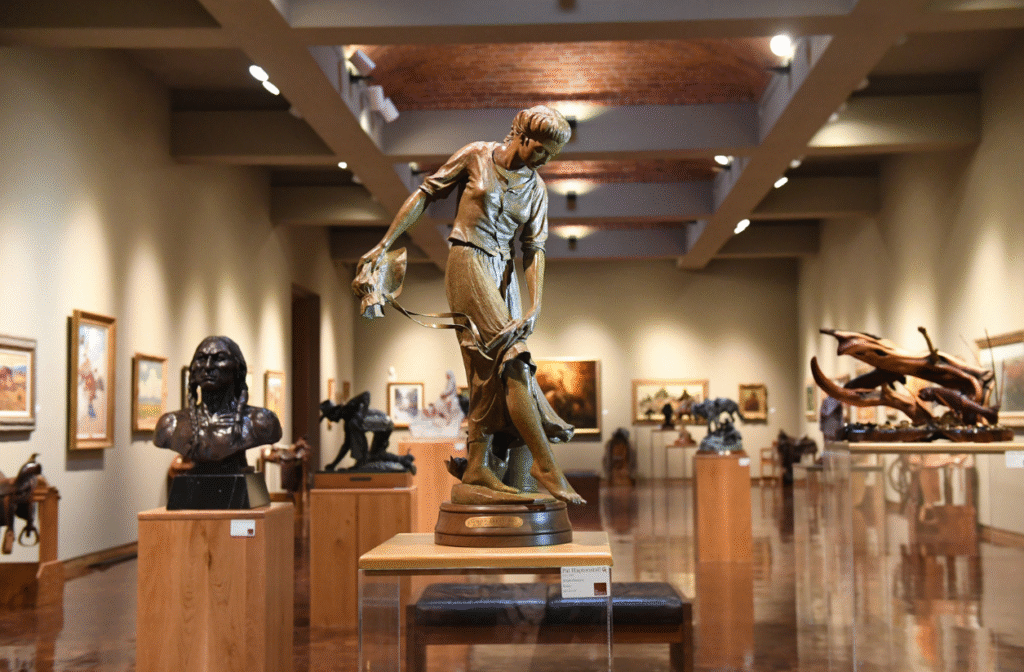
Visitors have called the museum “…an incredible gem that exceeded all expectations” and stated they were “…happy to spend all morning wandering the indoor and outdoor works.” They also praised the “friendly and knowledgeable staff.”
For many years the average American’s exposure to Western Art in public museums was confined to the works of Remington, Russell, and a few old masters. By the late 1970s, what works did exist of the growing number of contemporary cowboy artists were confined to private collections.
Interestingly, former Arizona Senator and cowboy art collector Barry Goldwater voiced a need for public venues to showcase the genre.
His thoughts were turned into action by Kerrville and South Texas leaders who had a mutual interest in Western art. A conversation between L.D. Brinkman, a local cattle breeder and a manufacturer, and Robert R. Shelton — an heir to the legendary King Ranch — gave life to the project.
Soon they corralled a group of kindred spirits that shared a goal of building and establishing the first museum to honor the work of living American Western Art painters and sculptors.
These founders pledged the private funds to launch their project. Oilman William F. Roden and his wife, Carolyn, of Midland, donated a prime ten-acre piece of land adjacent to the Riverhill Country Club in Kerrville.